
Oxalates: the hidden risk in healthy food, with Sally K. Norton
Spinach, almonds, sweet potatoes, beets, and dark chocolate are sold to us as health food. They are also among the richest sources of oxalate, a natural plant compound that the body cannot use and has to get rid of. Sally K. Norton, author of Toxic Superfoods, has spent years arguing that oxalate overload may explain problems that are rarely traced back to the plate. Join her and Funmed founder Peter Martin, MD, PhD, for a live conversation, and send Sally your own question when you register.
- Wednesday, October 7, 2026
- 7:00–8:05 PM CEST (1:00–2:05 PM EDT)
- Online via Microsoft Teams
- Free
What you will learn
- What oxalate is, where it hides in everyday “healthy” food, and how easily a well-meant diet adds up to a heavy load
- How the body handles oxalate, and what can happen when intake exceeds what the body can clear
- The symptoms Sally links to oxalate overload, from pain and fatigue to gut trouble and kidney stones, and where the research stands
- Why cutting back too fast can backfire, what “oxalate dumping” is, and how to lower your intake step by step
- What a physician sees in the clinic: Peter Martin shares what Funmed has learned from many years of working with oxalates
- Your questions answered: send them in advance when you register, or type them in the Q&A during the broadcast
This webinar is for you if you
- have eaten plenty of spinach, almonds and other nuts, sweet potatoes, beets, or dark chocolate and wonder whether it matters
- live with pain, fatigue, gut problems, or kidney stones that have never been fully explained
- have read Toxic Superfoods or follow Sally’s work and want to hear her in conversation with a physician
- work in healthcare or nutrition and want to understand oxalates in clinical practice
Meet the speakers
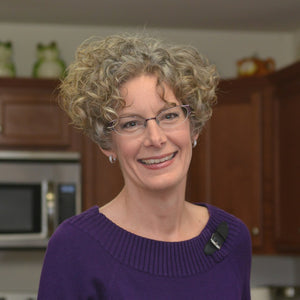
Sally K. Norton, MPH
Author of Toxic Superfoods and The Essential Low-Oxalate Cookbook
Sally K. Norton is one of the leading voices on dietary oxalate. She holds a degree in nutritional science from Cornell University and a master’s in public health from the University of North Carolina at Chapel Hill, and held a research faculty position at Virginia Commonwealth University. After three decades of pain and health problems, she traced her own symptoms to the oxalate in her “wholesome” diet, and she has since devoted her work to researching oxalate and helping others lower their intake. Her book Toxic Superfoods is published in four languages, and The Essential Low-Oxalate Cookbook turns the science into 75 everyday recipes.
Visit Sally’s website
Peter Martin, MD, PhD
Founder and CEO of Funmed
Peter Martin is a Swedish physician with a PhD in pharmacology. He spent 15 years in pharmaceutical research, working in the research group of Nobel laureate Arvid Carlsson. In 2014 he founded Funmed, a functional medicine clinic and innovative care platform that combines in-depth laboratory analysis with individual, physician-led care, and that has since treated more than 5,000 patients. Oxalates have been part of Funmed’s clinical work for many years, and Peter has followed many patients through a low-oxalate diet. He hosts the conversation and brings your questions to Sally.
Why oxalates matter to us
At Funmed we have worked with oxalates for many years. It is an important and exciting field of medicine. In our experience, a high oxalate load is easy to miss and rarely looked for in routine care. We have measured urinary oxalate in more than 1,500 patients, and our intake questionnaire includes a screening question on high-oxalate foods.
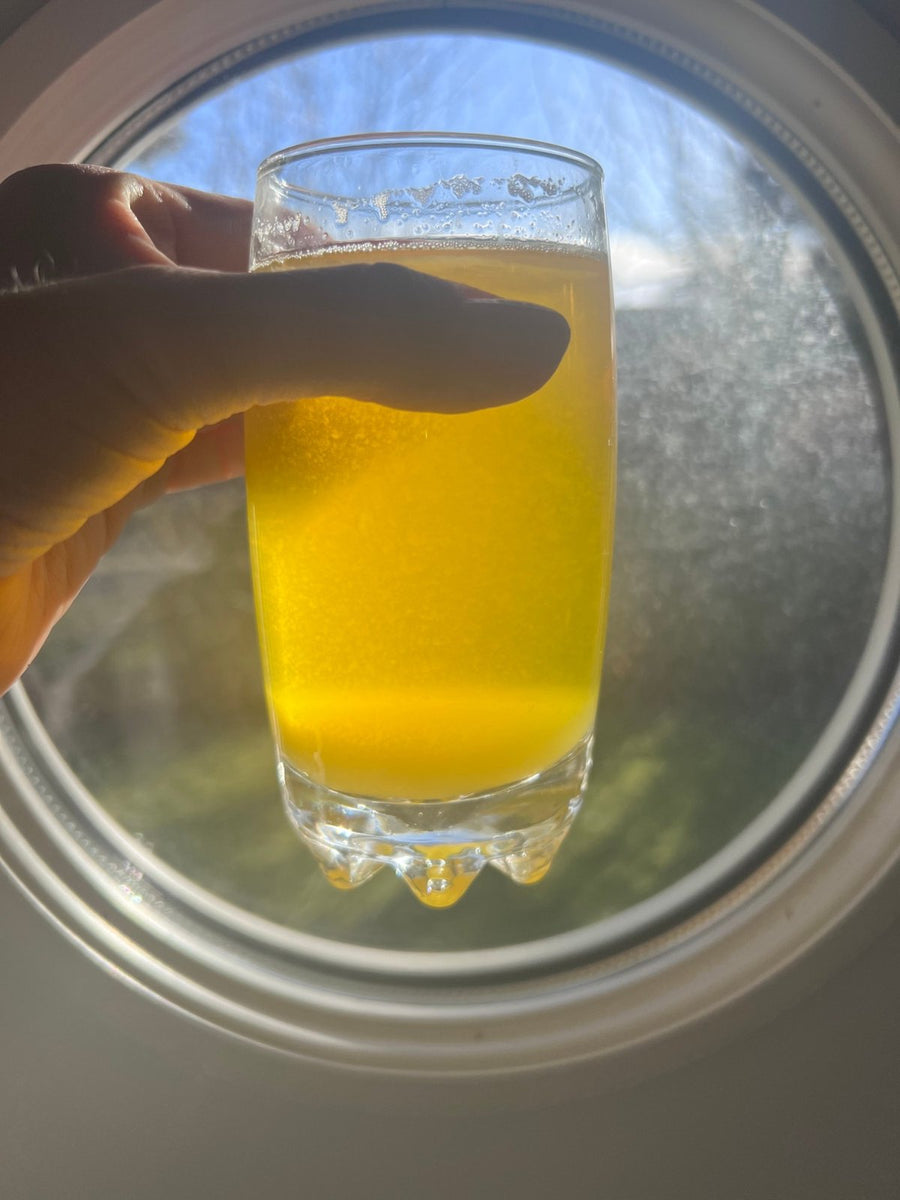
Lowering oxalate is not always a smooth ride. As intake comes down, the body can start to release oxalate it has stored, sometimes over weeks or months. Some people describe a temporary return of old symptoms, often called “oxalate dumping”, and some notice changes in their urine. The photo shows morning urine from one of our patients during that phase. It is one of the things we will talk about with Sally.
Toxic Superfoods
In Toxic Superfoods, Sally K. Norton brings together medical, scientific, and historical evidence to explain why oxalate has stayed invisible in nutrition and medicine for so long, and sets out a practical, gradual way to lower it. The book has found readers far beyond the English-speaking world and is now published in four languages.
Her follow-up, The Essential Low-Oxalate Cookbook, puts the program into practice with 75 easy, everyday recipes.
About the book at Penguin Random House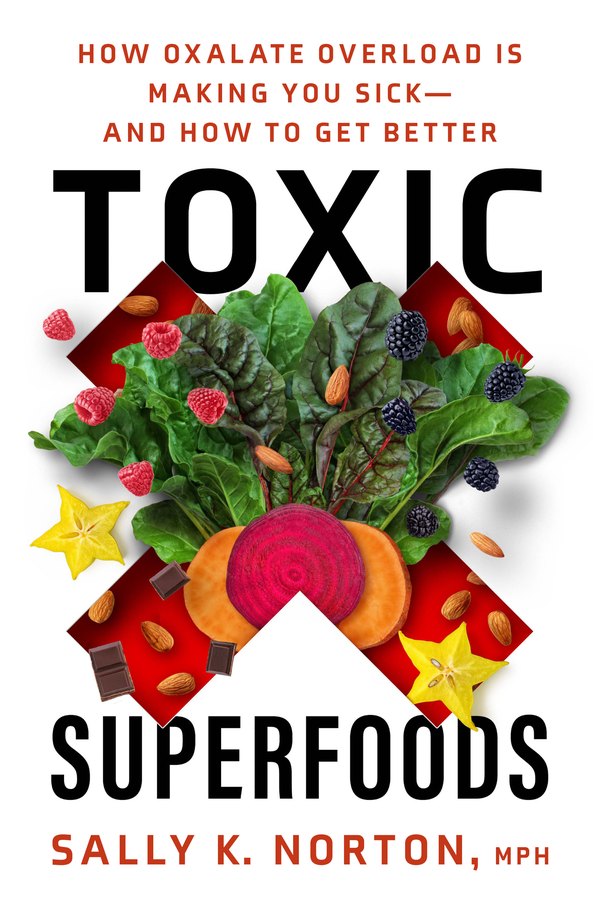
Save your seat and ask Sally a question
Register for free and send Sally your question in advance. Peter will put as many questions as possible to her during the webinar, read out without names. You will receive a confirmation email right away with the link to join, and the recording afterwards.
We have emailed you a confirmation with the link to join. It should arrive within a few minutes. If you cannot find it, please check your spam or promotions folder.
Funmed uses your first name and email address only to send you the joining link, a reminder, and the recording of this webinar. If you send a question, we use it only to prepare the Q&A and read it out without your name. You can unsubscribe with one click in any of our emails, or reply to one of them and ask us to delete your details. Our full privacy policy is in Swedish.
Good to know
What is the format?
What time is it where I live?
Do I need Microsoft Teams?
I can’t watch live. Should I still register?
How do I ask Sally a question?
Is it really free?
Can I become a patient at Funmed?
The webinar provides general health information and is not a substitute for individual medical advice. If you have acute symptoms, contact your doctor or your local emergency number.